Loading...
Cracked concrete is a common problem in Conway's clay soil, but breaking it out the wrong way damages the slab around it. Get clean, straight cuts that keep your repair on track and your property protected.
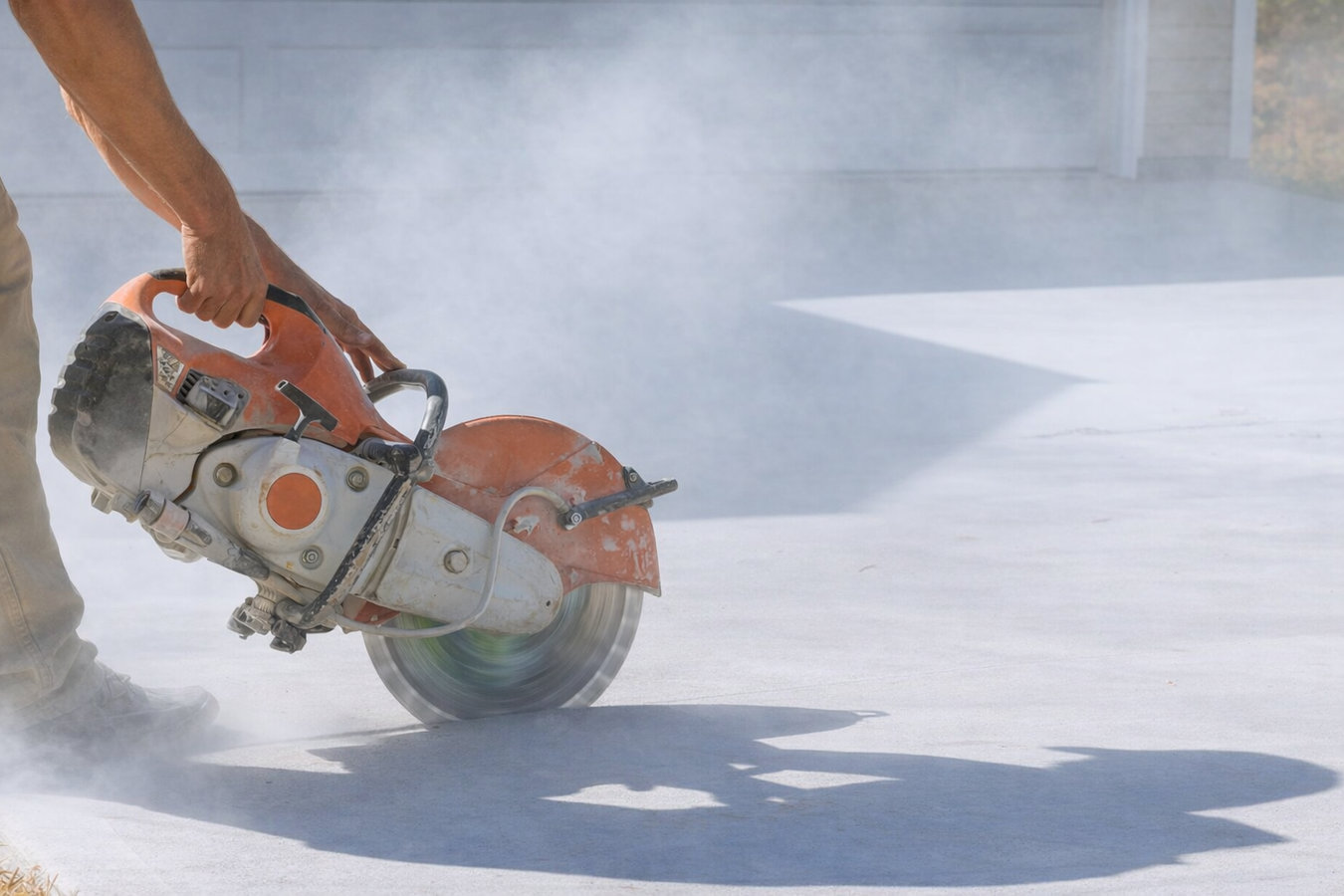
Concrete cutting in Conway uses diamond-tipped saw blades to slice cleanly through hardened concrete for repairs, openings, or utility work - most residential cutting jobs take one to four hours, and the area is accessible as soon as cleanup is done.
The goal of concrete cutting is always a clean, controlled result that does not damage the surrounding slab. Conway homeowners need this service for several different reasons: removing a cracked driveway section that has been pushed out of alignment by clay soil movement, cutting a trench for a new utility line, creating an opening in a garage wall, or preparing a damaged area for proper repairs. The difference between a clean diamond-blade cut and trying to break concrete out with a sledgehammer is the difference between a repair that looks right and one that causes new cracking around the work zone. In Conway's older neighborhoods, concrete that has been through 30 or 40 years of clay soil movement is particularly vulnerable to that kind of collateral damage.
Concrete cutting is often the first step in a larger project. Homeowners replacing a damaged slab section pair cutting with our concrete driveway building service to pour a replacement section after the old concrete is removed. Understanding the full scope before any cutting begins is part of how we give you a realistic written estimate.
If you have noticed cracks in your concrete that seem a little bigger each spring, the damage has moved beyond surface-level. In Conway, the combination of clay soil movement and winter freeze-thaw cycles tends to push small cracks into larger ones over time. Once a crack is wide enough to catch your shoe or let water pool inside it, cutting out and replacing that section is usually more cost-effective than patching it again.
If part of your driveway, patio, or walkway has dropped lower than the surrounding concrete, the soil underneath has shifted or washed away. This is especially common in Conway's older neighborhoods where clay soils have been expanding and contracting for decades. A sunken section creates a tripping hazard and allows water to drain toward your foundation - both good reasons to have it cut out and addressed properly.
Any time a new opening needs to be created in concrete - a new drain line, a basement egress window, a doorway into a garage - concrete cutting is the right tool. Trying to break through with a sledgehammer creates unpredictable cracking that can spread far beyond the intended opening, especially in older Conway concrete that has already been stressed by years of clay soil movement.
Conway gets significant rainfall, and if your concrete flatwork is no longer sloping water away from your home, you have a drainage problem. Sometimes the fix involves cutting and re-grading the concrete so water flows away from the house rather than toward it. If you notice standing water near your foundation after a storm, the concrete grade may be part of the problem - worth having a contractor assess.
We cut concrete for driveways, garage floors, sidewalks, patios, utility trenches, and structural openings across Conway and the surrounding area. Every job starts with a site visit where we assess the thickness of the concrete, look for signs of rebar or utility lines beneath the surface, and determine the right cut depth before any blade touches the slab. We use wet-cutting methods where possible to control dust and keep blades cool in Conway's summer heat. Where wet cutting is not practical, vacuum systems capture dust at the source. Homeowners adding or replacing a section of concrete often combine cutting with our concrete driveway building service when the plan involves removing a damaged section and pouring a fresh replacement alongside it.
For projects involving interior concrete floors or below-grade work, cutting often connects with our concrete floor installation service. We coordinate the cutting and replacement phases so you have one consistent written scope instead of two separate contractors making independent decisions on the same project. If your job requires a permit from the City of Conway - which is common for structural openings and utility work - we handle the application and know what the building department needs to approve it.
Best for cutting horizontal concrete surfaces - driveways, garage floors, sidewalks, patios, and utility trenches where the blade works along the surface to reach the desired depth.
Suited for cutting vertical concrete surfaces - garage walls, foundation walls, and basement walls where a new doorway, window, or utility penetration needs to be created cleanly without damaging the surrounding structure.
For round openings in concrete floors or walls where new plumbing, electrical conduit, or drainage lines need to pass through - a precise cylindrical cut that leaves clean edges for the utility contractor to work with.
For homeowners removing a damaged slab section before pouring new concrete - we cut the boundaries cleanly, break out the old concrete, and prepare the base for the replacement pour.
Conway's clay soil expands and contracts with every wet spring and dry summer, putting concrete through stress cycles that eventually crack, tilt, or push slabs out of position. Many of the homes in Conway's older neighborhoods - particularly those near downtown, around the University of Central Arkansas, and in subdivisions built in the 1970s through 1990s off Dave Ward Drive - have concrete that has been through 30 to 50 of those cycles. At that point, cracking is not a question of if but when. Conway also experiences enough winter freezes to trigger freeze-thaw cycles that widen small cracks over time as water seeps in, freezes, and expands. The practical result is that a lot of Conway homeowners reach the point where patching no longer makes sense and a clean cut-and-replace is the right call. For guidance on worker safety during concrete cutting, the Occupational Safety and Health Administration publishes standards on respirable silica dust that inform the dust control methods we use on every job.
We work throughout the Conway area, including jobs in Sherwood and Cabot, where the same clay soil and freeze-thaw conditions create the same concrete damage patterns. Whether the job is a single cracked driveway panel or a structural opening through a foundation wall, we assess, quote, and cut with the same level of care.
We ask what you need cut, roughly how long or large the cut is, and where on your property the work is located. Most jobs need an in-person look before we can give you a firm price - concrete thickness, rebar, and access all affect the cost. We respond to new inquiries within one business day.
We measure the area, assess the thickness of the concrete, and look for signs of what might be underneath - utility lines, rebar, or plumbing. In Conway's older neighborhoods, utility lines do not always run where you would expect them to, so this step protects you from a costly accident.
You get a clear written price based on what we actually saw - not a phone estimate that changes on site. If your project requires a permit from the City of Conway, we handle the application and know what the building department needs to approve it.
Most residential cuts take one to four hours. We mark the cut lines, use dust control throughout, and clean up when done. There is no curing time after cutting - the area is accessible immediately. We walk you through what was done and what comes next in the repair sequence.
We come out, look at the job in person, and give you a clear price before you commit to anything. Response within one business day.
(501) 273-0974We use diamond-tipped saw blades for every concrete cutting job, which produce straight, controlled cuts without cracking the surrounding slab. The quality of the blade and the operator's technique are the two things that separate a clean cut from one that causes new damage - we take both seriously.
Concrete cutting produces fine silica dust that is hazardous to breathe. We use wet cutting methods where practical and vacuum containment systems where they are not - following the Concrete Sawing and Drilling Association standards for dust management. Conway's summer heat makes this especially important, as dry-cutting without controls in high temperatures creates clouds of dust that coat everything nearby.
Concrete cutting on structural or utility projects in Conway often requires a permit, and we factor that into your written estimate from the start. We know what the City of Conway's Building Inspection Division needs to approve structural and utility work - so permits do not stall your project or show up as an unexpected line item later.
Before we cut, we assess for rebar and buried utilities so we are not cutting blind. In Conway's older neighborhoods, conduit and plumbing do not always run where building plans show them - taking that extra step before starting protects you from the kind of accident that turns a half-day job into an emergency repair.
We have been doing concrete work in Conway since 2023 and carry the state license and liability insurance required to do it right. Every job comes with a written estimate you can review before committing to anything.
Pour a new driveway section once the damaged concrete has been cut out and the base is ready.
Learn more about Concrete Driveway BuildingReplace interior slab sections with a properly prepared and poured concrete floor after cutting.
Learn more about Concrete Floor InstallationWe give you a written price based on an actual look at your project - no phone estimates that change when we show up. Call or request yours online today.