Loading...
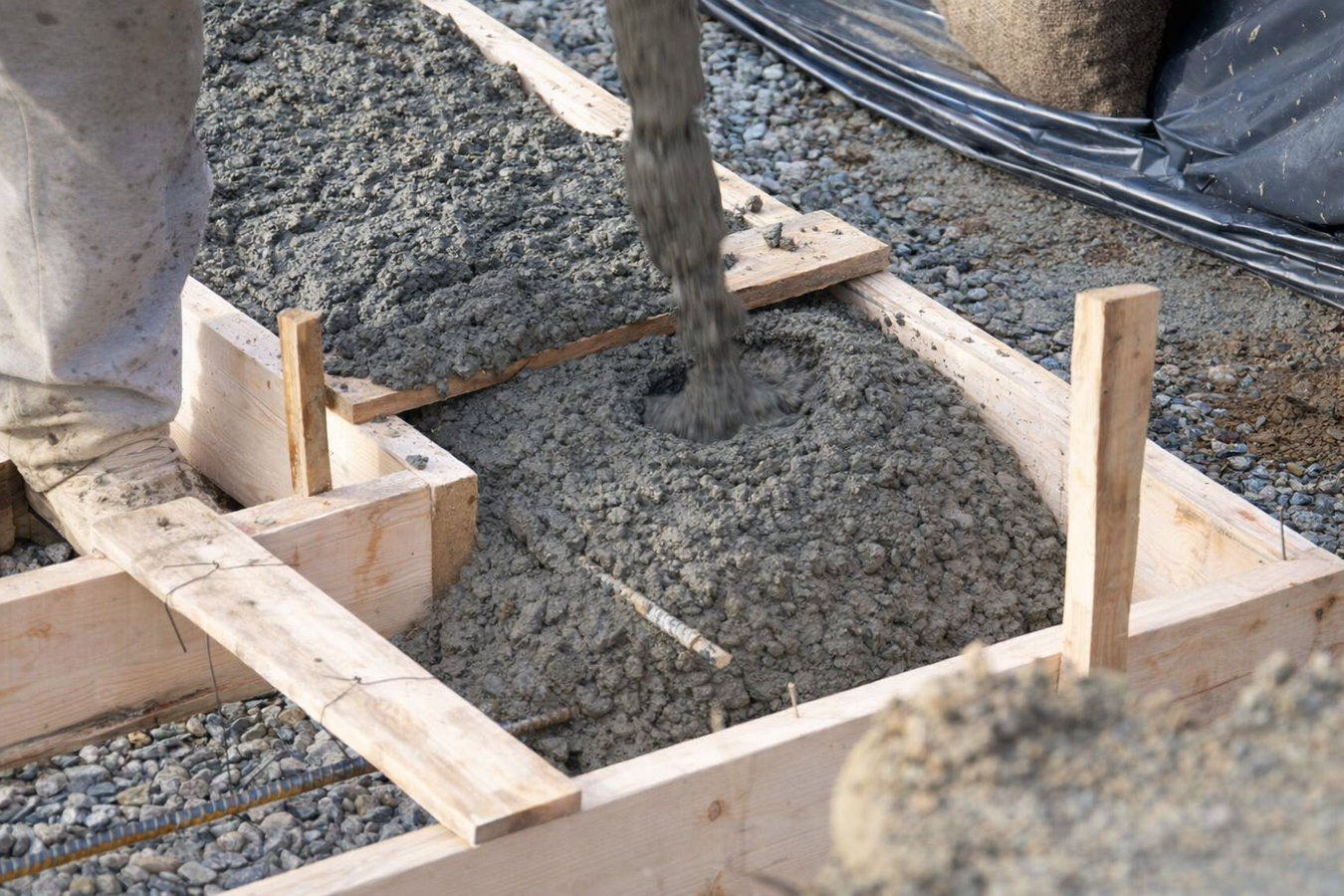
A footing poured too shallow or too narrow will cost you in cracked walls and shifting structures. Get footings sized for Conway's clay soil, permitted, and inspected before any framing begins.
Concrete footings in Conway are the underground concrete bases that hold up decks, additions, porches, and foundation walls - most residential footing projects take one to three days to dig and pour, plus about a week of curing time before framing can begin on top of them.
Think of a footing like the flat bottom of a table leg. Without it, the weight above has nowhere to spread, and things shift, crack, or sink over time. Most homeowners never see their footings once they are poured - but they are doing critical work every single day. Concrete footings in Conway have to be sized and placed correctly for the clay-heavy soil beneath Faulkner County, which behaves differently from sandy or loamy ground found elsewhere. That soil swells when wet and shrinks when dry, and that movement is what pushes shallow or undersized footings out of position over time.
Homeowners building additions or replacing older foundations often combine footing work with a full foundation installation project when the scope calls for more than just footings alone. Understanding which you actually need is one of the first things we talk through when you call.
Cracks in foundation walls - especially ones wider at the top than the bottom, or that run diagonally - can mean the footing beneath has shifted. In Conway, the clay soil's tendency to swell and shrink with seasonal rain and drought makes this kind of movement more common than in areas with sandier ground. A crack that is actively growing is a more urgent sign than one that has stayed the same size for years.
When a footing settles unevenly, the structure above shifts slightly out of square. The first place most homeowners notice this is in doors or windows that suddenly stick, will not latch, or have gaps at the corners. This is especially worth paying attention to in older Conway homes, where original footings may not have been sized for the clay soil conditions common in Faulkner County.
Any permanent structure attached to or near your home - a room addition, covered porch, or detached garage - needs proper footings before framing begins. Footing work is the first step, not an afterthought. Skipping it or undersizing it is the most common reason additions develop problems within a few years of being built.
If you can see a gap opening between your house and an attached deck, porch, or addition - or if the attached structure looks like it is tilting or pulling away - the footing under that structure may have failed or settled. Conway's wet winters followed by dry summers create exactly the soil movement that causes this kind of damage over time.
We pour concrete footings for room additions, decks, covered porches, detached garages, outbuildings, and foundation walls across Conway and the surrounding area. Every footing project starts with a site visit and a conversation about what you are building and what is already in the ground. We call Arkansas 811 before any digging begins to locate buried utility lines, pull the required building permit from the City of Conway, and schedule the pre-pour inspection through the building department. We do not pour until the city inspector has approved the excavation depth and placement. For projects that involve a larger foundation scope, footing work often connects directly to our foundation installation service, where the footings become the base for full foundation walls or a poured slab.
Homeowners who have already had a foundation raised or stabilized often need new or replacement footings tied into the repaired structure. In those cases, our footing work coordinates with our foundation raising crew so the new footings are poured to the correct elevation and properly tied into the existing structure. You get one consistent written scope covering both phases, not two separate contractors making independent decisions on the same project.
Best for homeowners adding a room, covered porch, or attached structure to an existing home - the footings are sized to carry the new load and comply with local building code.
Suited for freestanding or attached decks, detached garages, workshops, and storage buildings that need a stable base buried below frost depth to prevent seasonal shifting.
For new construction or replacement projects where the footing forms the base of a poured concrete or block foundation wall - sized and positioned to carry the full load of the structure above.
For older Conway homes where original footings were sized to outdated standards and need to be replaced or supplemented before new work is tied into the existing structure.
Most of Conway sits on clay-heavy soil that is common across Faulkner County. This type of soil swells when it absorbs water and shrinks as it dries - and Conway averages over 50 inches of rain per year, which means that wet-dry cycle happens repeatedly every season. A footing poured at the minimum size on this soil will experience more movement over time than the same footing on sandy or loamy ground. Experienced local contractors size footings wider than the bare minimum specifically to account for this, spreading the load across more ground and reducing the stress each soil movement cycle places on the structure above. The University of Arkansas Cooperative Extension documents the characteristics of these expansive soils throughout central Arkansas, and understanding them is part of doing footing work correctly here.
Conway also has a significant number of homes built between the 1950s and 1980s - particularly in neighborhoods closer to the university and downtown - where original footings were sized to older standards. If your home is in one of those older neighborhoods, adding a room or repairing an existing structure requires assessing what is already in the ground before tying new work into it. We work throughout the Conway area, including older neighborhoods and newer subdivisions near Cabot and communities out toward Russellville where similar soil conditions apply. Getting on the schedule before spring rains start is the best way to avoid delays from flooded excavations.
We come to your property, look at what you are building, assess the soil and slope, and give you a written estimate before anything else happens. Footing work is hard to price without seeing the site - most estimate visits take 20 to 45 minutes. You will hear back within one business day.
We apply for the building permit from the City of Conway and call Arkansas 811 to locate any buried utility lines before digging begins. The permit typically takes a few business days to a couple of weeks to process - we handle this so you do not have to navigate the building department yourself.
We dig the footing holes or trenches to the required depth and schedule the city inspector before any concrete is poured. The inspector confirms depth, size, and placement are correct while everything is still visible. This step is required - and it protects you by catching any issues before they are buried.
Once inspection is approved, we pour the footing. Most residential pours take a few hours. The concrete needs about one week before framing can begin on top of it. We tell you exactly when your project can move to the next phase - and we adjust timing if the forecast calls for extreme heat or rain near the pour date.
No obligation - we visit the site, assess the soil conditions, and give you a clear number with depth and scope spelled out before anyone picks up a shovel.
(501) 273-0974We do not use a one-size minimum spec for footings in Conway. The clay soil here moves more than most contractors from outside the area expect, and we size footings accordingly - wider bases, correct depth, and proper compaction around the forms before the pour. Structures built on correctly sized footings stay level through years of wet springs and dry summers.
We pull the City of Conway building permit before any digging starts and schedule the pre-pour inspection as a standard part of every footing project. The inspector checks depth and placement before we pour - so any issue is caught while it is still easy and inexpensive to fix, not after the concrete has hardened.
Conway has hundreds of homes built in the 1950s through 1980s with footings sized to older standards - standards that did not always account for the clay soil conditions in Faulkner County. We assess existing footings before tying new work into them, so you are not building on a compromised base without knowing it.
Our contractor license is held through the Arkansas Contractors Licensing Board and is available on request. Arkansas requires concrete contractors above a certain project threshold to hold a state license - and you can verify any contractor's status on the board's website before signing anything.
Footing work is invisible once the project is done, but it determines whether the structure above it stays level and solid for decades. We build footings in Conway the way the soil and the climate here require - not the way a national spec sheet assumes.
Lifting and re-leveling a settled foundation - often paired with new footing work to stabilize the structure long-term.
Learn more about Foundation raisingFull foundation pours for new construction and replacement projects where footings are the first step in a larger scope.
Learn more about Foundation installationSpring and fall booking windows go fast - call or send us a message now to lock in your timeline and get a written estimate before you commit.