Loading...
A foundation built wrong is the most expensive mistake a home can have. Get proper installation designed for Conway's clay soil, rainfall, and building code requirements.
Foundation installation in Conway covers everything from pouring a new slab for a home addition to replacing the aging pier-and-beam foundation under an older downtown property - most residential projects take 10 to 20 days from first shovel to inspection-ready, depending on foundation type and soil conditions on the lot.
Your foundation is the part of your home that carries the weight of everything above it - walls, floors, roof, and everything inside. Get it right and you may never think about it again. Get it wrong and it becomes the most expensive problem you will ever deal with as a homeowner. Foundation installation in Conway starts with understanding what is actually in the ground, because the Arkansas River Valley's clay soils behave differently from region to region, and different parts of Conway have very different subgrade conditions. Homeowners building new often look at both foundation installation and a standalone slab foundation building quote to understand the right scope for their project.
Conway has a substantial number of homes built in the 1950s through 1980s on older foundation types that were not designed for today's moisture and soil movement standards. If you are replacing or upgrading a foundation on one of those homes, the project involves more preparation than a new build - including addressing decades of soil settlement and moisture under the structure. That kind of work requires a contractor who has done it here before, not one learning on your property.
If doors or windows in your home have started sticking, dragging, or leaving visible gaps at the corners, the foundation has likely shifted. In Conway, the clay-heavy soil expands and contracts with every wet and dry cycle, and that movement gradually pushes a foundation out of level. This is not just an annoyance - the problem will get worse if you leave it alone.
Small hairline cracks in drywall are common and usually harmless. But diagonal cracks running from the corners of door frames or windows, or horizontal cracks in brick or block walls, are worth taking seriously. These patterns often indicate that one part of your foundation has moved more than another - a common result of Conway's expansive clay soil drying unevenly during summer.
If you can see a gap where your wall meets the ceiling, or where the floor meets the baseboard, the frame has shifted enough to pull apart at the joints. This level of movement usually points to a foundation problem that has been developing for some time. The sooner it is evaluated, the less expensive the fix tends to be.
Conway averages around 52 inches of rain per year. If water consistently collects against the base of your home after a storm, it is working into the soil beneath your foundation. Over time, that saturated soil erodes or shifts and causes the foundation to sink unevenly. Standing water within a few feet of your home's exterior after a typical rain is a warning sign that needs a professional look.
We install foundations for new residential construction, home additions, and replacement projects on older Conway properties. Every job starts with a site assessment and soil evaluation before we touch the ground. Proper grading, compaction, drainage, and vapor barrier placement are not optional steps we rush through - they are what determines whether your foundation holds up for decades or starts showing problems in a few years. For projects that also need work at the concrete parking or driveway level, we often coordinate foundation installation with our concrete parking lot building team, which handles the hardscape that surrounds the structure.
For homeowners replacing an older foundation, we assess what is there before recommending a scope of work. Some older Conway homes on pier-and-beam foundations can be converted to a modern slab - a more stable and lower-maintenance option in today's climate. Others need targeted repair or reinforcement rather than a full replacement. Either way, the foundation work connects back to a solid slab foundation building approach when the end result is a poured concrete base. We pull the required permit from the City of Conway Building Department, handle the inspection scheduling, and document the warranty terms before we leave the site.
Best for new home builds, garage structures, or additions on vacant lots where the foundation is being installed from scratch on unprepared ground.
For older Conway homes where the existing pier-and-beam or crawl space foundation has deteriorated and needs to be replaced with a modern concrete slab or updated crawl space system.
A fit for properties where elevated access to plumbing and mechanical systems is preferred, or where the lot elevation makes a raised foundation more practical than a slab-on-grade.
For homeowners converting from a manufactured home to a site-built structure, or needing a compliant foundation system under an existing manufactured home placement.
Foundation installation in Conway is not generic work. The Arkansas River Valley's clay soils swell in the wet spring and shrink in the dry summer, and central Arkansas averages around 52 inches of rain per year - well above the national average. That much water, cycling through soil that moves with it, is why proper drainage design is as important as the concrete itself. Parts of Conway near Cadron Creek also fall within FEMA-designated flood zones, which can dictate how high above grade your finished floor must sit. If your property is near a flood zone, that is a design variable your contractor and the city building department need to account for before the first shovel hits the ground. The Arkansas Contractors Licensing Board requires that any contractor performing foundation work above a certain dollar threshold hold a current state license - check that before you sign anything.
Conway has grown rapidly over the past 20 years, and that growth spans very different building environments - from new subdivisions with consistent fill soil to in-fill lots near downtown where decades of settlement have already happened beneath the surface. We regularly install foundations in neighboring communities including Little Rock and Benton, where similar soil and rainfall conditions create the same challenges. That regional experience is what lets us recognize when a site needs extra preparation before a standard approach will hold long-term.
We reply within one business day and schedule a site visit before pricing the job. Foundation cost depends heavily on what we find when we look at your specific property - soil conditions, grade, drainage, and existing structure - so we never quote a number before we have seen the site.
We apply for the building permit through the City of Conway Building Department on your behalf. Before any digging starts, we coordinate utility line marking through Arkansas 811 - the state's call-before-you-dig program. Both steps are required by law and are part of our standard process.
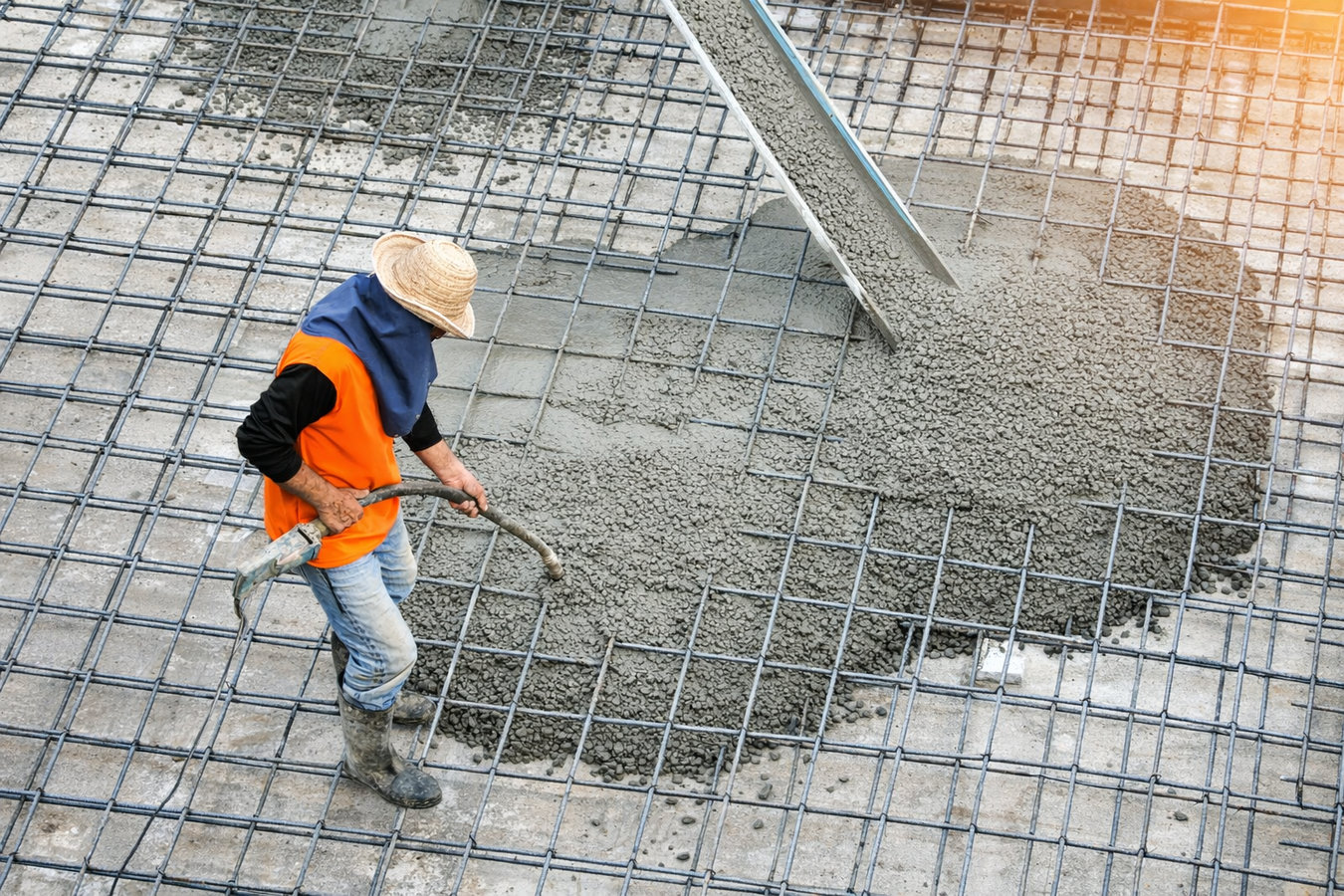
Once the permit is approved, the crew excavates to the required depth, compacts the soil, grades for drainage, and sets the forms and reinforcement. The pour itself typically happens in a single day. In Conway's summer heat, we schedule pours for cooler parts of the day and protect the fresh concrete during curing.
The concrete cures for at least a week before framing begins. During that period, the city inspector visits to verify the work meets local code. Once the foundation passes inspection, we remove forms, backfill excavated areas, and do a final walkthrough with you - including written warranty terms before we leave.
We visit the site before quoting, pull the permit, schedule the inspection, and give you warranty terms in writing - no guesswork on your end.
(501) 273-0974We do not use a standard template and apply it to every job. The clay-heavy ground in central Arkansas moves more than most homeowners realize, and a foundation that does not account for that movement will develop problems within a few years. Every project we do here starts with evaluating what is actually in the ground, not what we assume is there.
Conway averages around 52 inches of annual rainfall. Poor drainage around a foundation is the most common reason foundations fail prematurely in this area. We grade the site and design drainage as part of the installation project - not as an add-on - so the first heavy rain after we finish does not undermine what we just built.
We handle the City of Conway permit application and inspection scheduling on every job. Unpermitted foundation work can create serious problems at home sale and with insurance claims. You will have a documented, inspected, code-compliant foundation - not an unpermitted one you have to disclose or defend later. The National Association of Home Builders outlines performance guidelines our work is measured against.
A foundation is not something you want to wonder about five years from now. We put our warranty terms in plain writing before we leave your property - what is covered, how long it lasts, and what happens if you sell the home. You will have a clear record, not a verbal promise you have to chase down later.
Foundation installation is the kind of work where cutting a corner early costs ten times as much to fix later. Every decision we make from site assessment through final walkthrough is aimed at giving you a foundation that holds up through decades of Conway weather - not just through the permit inspection. Call us or use the form above and we will schedule a site visit within one business day.
Reinforced concrete parking surfaces for residential and commercial properties across Conway, built to handle Arkansas weather and heavy vehicle loads.
Learn more about Concrete Parking Lot BuildingMonolithic and slab-on-grade pours for new homes, garages, and additions, with subgrade prep designed for Faulkner County clay soil.
Learn more about Slab Foundation BuildingFoundation contractors in Conway book weeks out during peak season - reaching out now means a faster start date and a project that stays on schedule through permits and inspection.