Loading...
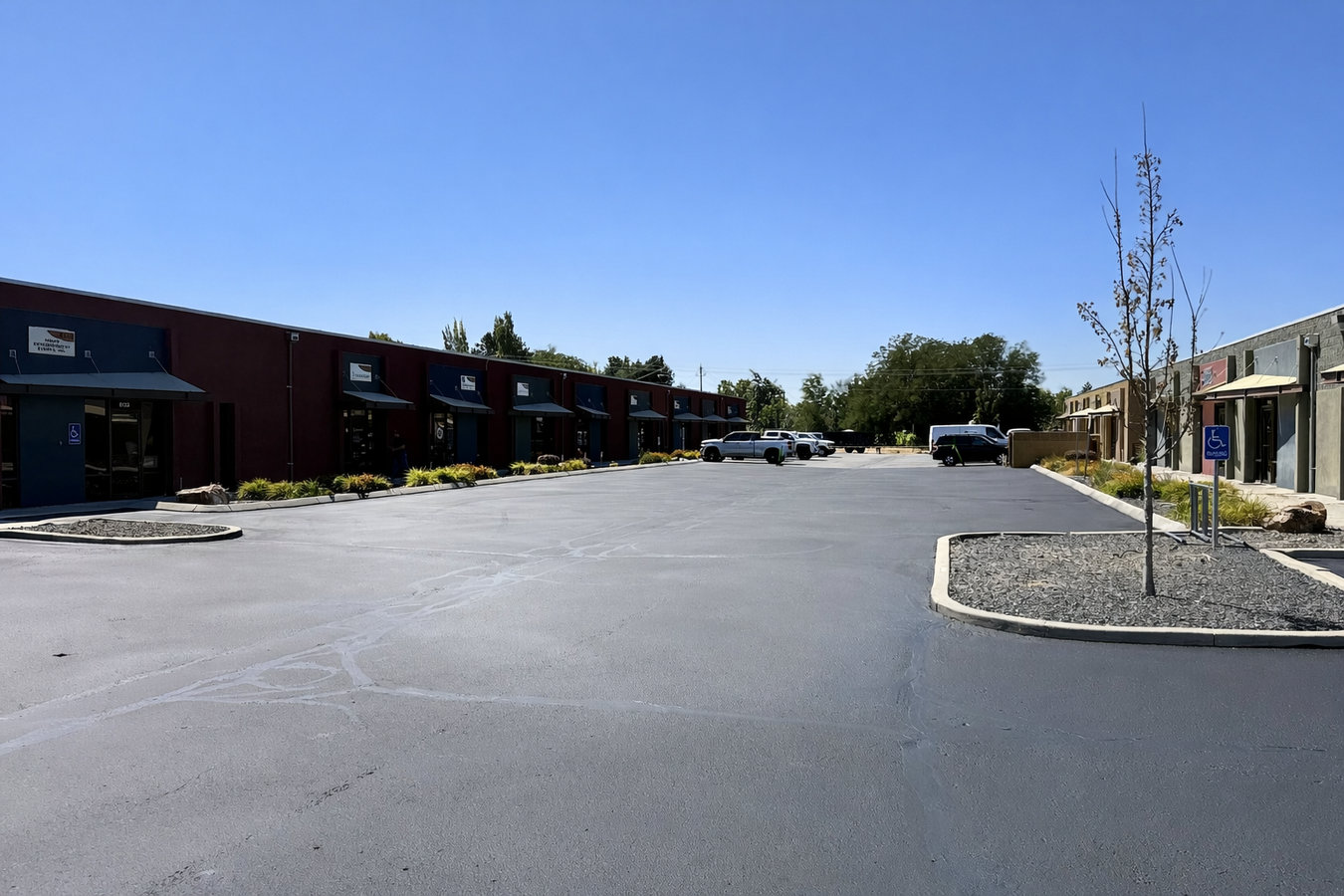
A lot that drains wrong, cracks early, or fails inspection costs far more than it saves. Get a Conway parking lot built on proper base prep, drainage design, and permitted work.
Concrete parking lot building in Conway means grading the site, compacting a gravel base, reinforcing the slab, and finishing the surface so it drains and handles vehicle weight - most small to mid-size lots take two to five days from start to finish, with a seven-day wait before passenger vehicles can use the surface.
This is not simply pouring concrete on dirt. The ground prep underneath is what determines whether a lot lasts 30 years or starts cracking in five. Conway's clay-heavy soil shifts with every wet season and dry spell, which means the compacted base layer is especially critical here. Business owners, landlords, and property developers across Conway have learned that cutting corners on prep work shows up fast in our climate. Whether you are building a new lot from scratch or replacing aging asphalt, concrete parking lot building in Conway starts with understanding what is in the ground before a single form board goes up.
Properties that need flatwork beyond the parking area often combine this project with our concrete driveway building service to tie access lanes and the lot into a single cohesive surface. That approach saves mobilization time and ensures grades and drainage work together across the whole property.
Small hairline cracks are normal over time, but cracks that are widening, deepening, or have edges sitting at different heights signal that the slab underneath is moving or failing. In Conway, clay soil shifts significantly between wet winters and dry summers. Once cracks reach a certain size, patching is only a temporary fix - replacement becomes the more cost-effective choice.
If puddles sit on your parking area for hours after a rainstorm, the lot was not graded correctly or has settled unevenly over time. Conway averages around 52 inches of rain per year, which makes poor drainage a real problem - standing water speeds up concrete deterioration and creates a slip hazard. A new lot designed with proper drainage solves this permanently.
If you are building out a commercial property in Conway - a retail space, rental unit, church, or small office - a paved parking area is typically required before you can open. The city's development standards include parking requirements, and a gravel or unpaved area usually will not meet them. Getting the lot built during initial construction is almost always cheaper than adding it after the fact.
Asphalt lots typically last 15 to 20 years before needing major work, and many older commercial corridors in Conway are reaching that point. If your asphalt is crumbling at the edges, showing alligator-pattern cracking, or sinking in spots, replacing it with concrete is worth pricing out. Concrete's longer lifespan often makes it the better long-term investment even at a higher upfront cost.
We handle concrete parking lot building for commercial properties, multi-family rentals, churches, small businesses, and residential estates across Conway and the surrounding area. Every job starts with a site visit to assess grades, soil conditions, existing drainage patterns, and any utility lines that need to be located through Arkansas 811 before digging begins. We pull the required city permit, coordinate the pre-work inspection, and do not pour until the base is compacted and graded to hold up under our weather. Properties that need drive lanes connecting to a public street often pair this work with our concrete driveway building service so approach and lot are graded as a single surface.
For projects that also need footings under perimeter walls, bollards, or site structures, we coordinate the concrete slab work with our concrete footings crew so everything is formed, poured, and inspected on the same schedule. This keeps your project moving without waiting on separate subcontractors. We give you a written scope, a realistic timeline that accounts for the curing period, and warranty terms before work begins.
For properties building a paved surface from scratch - new commercial builds, additions to existing businesses, or residential estates needing structured vehicle parking beyond a standard driveway.
Best for property owners whose asphalt lot has reached the end of its life and want the longer-term durability and lower maintenance costs of concrete without rebuilding the entire site from scratch.
Suited for businesses that have grown and need to add parking stalls to an existing property - new sections are graded and poured to match the existing surface grade and drainage direction.
For gravel or dirt lots that create mud after rain and dust in dry weather - converting to concrete eliminates ongoing maintenance, stops erosion runoff, and meets commercial property standards in Conway.
Conway has been one of the fastest-growing cities in Arkansas for over a decade, and that growth is driving demand for commercial paving that can keep up. The clay soils across Faulkner County behave differently from the sandier ground found in other parts of Arkansas - the soil swells after heavy rain and contracts in dry heat, putting stress on any concrete slab from underneath. Conway also averages around 52 inches of rain per year, well above the national average, which means drainage design is not an afterthought here. A lot that pools water after a storm is deteriorating faster than it should be, and the problem compounds every time it rains. The City of Conway Planning and Development department oversees permits for commercial paving work, and inspections are part of the process - not something a contractor should be trying to skip.
We work throughout the Conway area, including commercial corridors and business parks near Maumelle and properties closer to the North Little Rock side of the metro. Conway's summer heat - regularly above 90 degrees - means we schedule large pours for early morning when possible and protect the surface during curing so the concrete hardens the way it is supposed to. Building season in Conway books up fast, especially in spring and fall when conditions are best. Getting on the schedule two to three months ahead gives you more options and more leverage to compare quotes before committing.
We come to the property, look at the size, soil, existing drainage, and any site obstacles - then give you a written quote covering scope, materials, timeline, and total cost. You will hear back within one business day of your inquiry.
Once you accept the quote, we apply for the required City of Conway permit. This typically adds three to seven business days before the crew can begin. Permit approval means a city inspector will review the finished lot - which protects your investment.
The crew removes any existing pavement or debris, grades the soil for proper drainage, and compacts a gravel base layer. This phase - typically one to two days - is the most important part of the project. A well-prepared base is what keeps the finished lot from cracking or settling.
The concrete pour typically happens in a single day. We finish the surface, cut control joints, and set drainage features. The lot is off-limits for seven days while it cures. We walk the finished surface with you and explain the maintenance steps before closing out the job.
No commitment required - we come to the site, assess the ground conditions, and give you a written estimate you can compare with confidence.
(501) 273-0974We size and compact the gravel base specifically for Conway's expansive clay soil, not just to a national minimum spec. That means your lot has a cushion against the seasonal swelling and shrinking that cracks lots built by contractors who do not account for local ground conditions.
We pull the required City of Conway permit before any work begins - no exceptions. The inspection that follows means someone independent from our crew checks the job before the concrete is poured. That documentation also protects you when it comes time to sell or refinance the property.
Conway gets more rain than most of the country. We build a slope into every lot surface so water moves toward a drain or away from your building - not pooling on the surface where it deteriorates concrete and creates liability. Poor drainage is one of the most common reasons lots fail early in this climate.
Arkansas requires contractors above a certain project size to hold a state license through the Arkansas Contractors Licensing Board. Our license number is available on request and verifiable online - so you can confirm we are who we say we are before signing anything.
Parking lots are long-term infrastructure, and the decisions made before the first pour determine what you are dealing with 10 and 20 years later. We build ours to handle Conway's weather, soil, and growth - not just to pass a quick walk-by inspection.
Structural concrete footings for perimeter walls, bollards, and site structures that anchor into the same lot slab.
Learn more about Concrete footingsDrive lanes and residential approaches poured to tie into your parking area as a single graded surface.
Learn more about Concrete driveway buildingSpring and fall booking windows fill fast - reach out now to lock in your timeline before the best weather slots are gone.